

Tune into your body
As the daylight hours decrease, and the temperatures start to reduce, it’s a good time to tune in to your body. A few adjustments to support your immune system can make all the difference to your energy.
Here are some immunity boosters to implement as the seasons change, to resource yourself for the coming winter months.
Detoxing
Autumn and Spring are the best times of year to detox the body. This allows you to adjust, physically, mentally and emotionally to the changing seasons. There are a range of detox kits available for purchase but I prefer to go directly to mother nature. You can detox both through elimination as well as nourishment from the wonderful food sources available to us.
A traditional detox usually involves fasting, (essentially talking liquid but no food). This is not advised if you’re still maintaining your normal schedule without being able to rest. Taking naps can be beneficial if you’re feeling fatigued (not a popular practice if you’re working).
A great alternative to fasting while still cleansing/detoxing your body is through ingesting pureed foods instead of solids.
Nourishing during a detox
Smoothies, and Soups (which are warm and nourishing as the days begin to cool down) provide nourishment to sustain you. They also give your body a break from spending energy digesting your food. When the body doesn’t have to digest food, it has more energy to boost stem cell regeneration and tissue repair, supporting the immune system.
Drinking a potassium broth (made from vegetable peelings) improves blood pressure, cardiovascular health, bone and muscle strength. It also provides essential vitamins and minerals the body still needs even when fasting. Being a strong alkalizer (which our body loves, as opposed to our typically acidic state), it assists with detoxification. Increasing hydration, it flushes the kidneys, reducing water retention, and helps to get the bowels moving.
A great by-product of cleansing/detoxing is weight loss. Apart from the sheer lack of solid food, the metabolism gets a healthy boost. This is due to the improved cellular functioning. Note: supervision is advised if you have diabetes!
Elimination during a detox
Yes, detoxing involves elimination certain foods and beverages but what you choose to eliminate is entirely up to you. For the greatest noticeable benefit, full elimination of the following is recommended. E.g. meat, caffeine, dairy, wheat and gluten products, processed foods, sugar, alcohol, drugs, and tobacco
What we consume is often driven by emotions that we want to soothe. When we eliminate whatever we’re consuming to soothe our emotions, we expose our own emotional driver. This typically creates discomfort. It can expose feelings of anger, sadness, frustration, and general irritability. It can partially result from our body eliminating excess toxins that have been stored in the liver. Yet largely our discomfort arises from unprocessed emotions we are already carrying. Therefore, emotional or psychological support during a detox can be beneficial. Other physical symptoms may include: skin eruptions, head or body aches / pains, stiff joints, uncomfortable bowel movements and stomach cramps.
ITS OKAY…all of these uncomfortable physical and emotional symptoms will pass,. Once they do, your cells will be doing a little happy dance as your energy increases!

Immune boosters
Probiotics: these help to increase your friendly gut bacteria which act as messengers to activate your immune system. Your friendly microbiome also assists in boosting your mood. Food sources include yoghurt with live cultures, kefir, sauerkraut, kimchi, miso, tempeh, kombucha, and other fermented foods.
Prebiotics help nourish and feed those beneficial gut bacteria, supporting a healthier and more resilient microbiome. Because so much of immune function is connected to gut health, regularly including prebiotic-rich foods can be a simple way to support overall wellbeing. Food sources include garlic, onions, leeks, asparagus, Jerusalem artichokes, green bananas, oats, apples, flaxseeds, legumes, and chicory root.
Vitamins
Vitamin C: this is a vital antioxidant that has a large protective effect within the body. It reduces the cellular damage created by free radicals. Vitamin C also regenerates cell membranes, including skin, muscle, bone, and brain cells having big role in healing. This vital vitamin also assists in the absorption of Iron which is extremely important for a healthy immune response. Remember that the body cannot produce or store vitamin C so we need to consume it regularly.
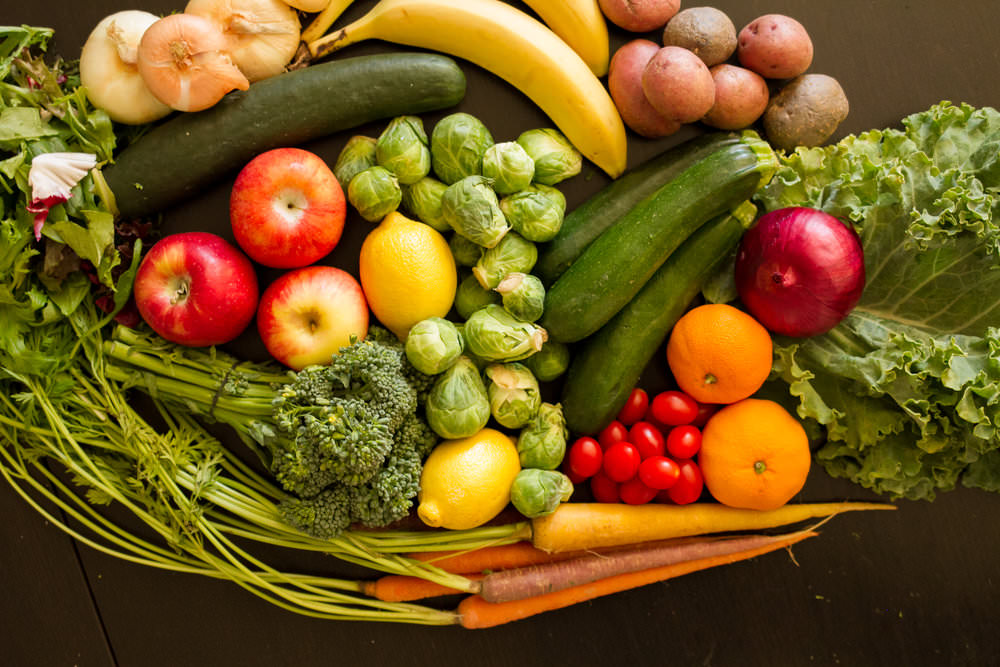
The best dietary sources of vitamin C are found in fruits and vegetables. Sources include: citrus fuits, kiwifruit, mango, papaya, pineapple, strawberries, raspberries, blueberries, and cranberries, watermelon. Vegetables rich in vitamin C include: broccoli, brussel sprouts, cauliflower, capsicums, spinach, cabbage, leafy greens, potatoes, & tomatoes.
Vitamin D: as the sunlight hours in New Zealand diminish, so does your source of vitamin D which is a major driver of your immune system. You can get vitamin D via animal products such as oily fish like tuna, salmon, sardines & herring; beef liver; cheese; and egg yolks . However, vegetable sources of vitamin D are limited to mainly mushrooms, and avocados which boost the absorption of vitamin D. So, for vegetarians and vegans it’s vital to have some food sources that are fortified with vitamin D such as dairy products, juices, soy milk, soy beans and oats.
The best way for the body to synthesise vitamin D is via sun exposure on the skin so taking a vitamin D supplement during winter is a good way to support your immune system.
Minerals
Iron: is necessary for the production of immune cells and white blood cells. An iron deficiency can result in having an inadequate immune response. Too much Iron however can inhibit the immune response so a balance is necessary. Symptoms of Iron deficiency include: cold hands and feet, recurrent anxiety, fatigue and tiredness, recurrent infections or infections that do not improve.
Dietary sources of Iron include: eggs (especially egg yolks), liver, lean red meat (especially beef), oysters, poultry, dark red meat, salmon, tuna. Whole grains rich in iron include: brown rice, oats, millet and wheat. Iron rich vegetable sources include: dark green leafy vegetables e.g. spinach, kale, broccoli, asparagus, and beans. peas & lentils and potatoes.. For iron rich fruits, look to: dried fruits such as prunes, apricots and raisins. Other sources of iron include: tofu, cashews, almonds, brazil nuts, fortified breakfast cereals and whole-grain enriched breads.
Zinc: is required for multiple functions of immunity including the development and functioning of cells that fight infections and clean up metabolic wastes. It also keeps the cellular functioning of the immune system in balance including the inflammatory process. Dietary sources of zinc include: meat, shellfish, legumes, seeds, nuts, dairy, eggs and whole grains.
Amino acids
Lysine: is an essential amino acid for building proteins. It assists in the absorption of minerals as well as strengthening cell walls by increasing collagen links. This reduces the cellular invasion of bacteria and viruses. Lysine also slows the growth of viruses (specifically herpes) so lysine can assist with the prevention and healing of cold sores.
Dietary sources of lysine include: high-protein foods such as eggs, meat (specifically red meat, lamb, pork, and poultry), soy, beans and peas, cheese (particularly parmesan), and certain fish (such as cod and sardines).
Glutamine: is an amino acid that supports immune function by helping fuel certain immune cells and supporting overall cellular health. Food sources of glutamine include beef, chicken, fish, eggs, dairy products such as yoghurt and ricotta, bone broth, tofu, beans, lentils, cabbage, spinach, parsley, and fermented foods.
Antivirals and antibacterials
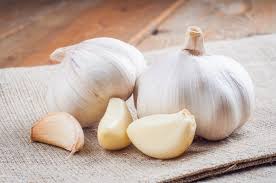
Raw garlic: has proven to be an effective killer of bacteria and viruses since ancient times due to its active ingredient allicin. Cooking garlic, destroys the allicin so it needs to be consumed in its raw form to prevent or fight infections. Raw garlic, however, is not pleasant to taste. One method of consumption is to drink a solution of one or more crushed garlic cloves stirred into one third of a cup of water.
Olive Leaf: this extract has been shown in extensive studies to improve immune function as well as providing antioxidant protection. The incredible germ-killing powers of olive leaf extract include: destruction of viruses‚ fungi‚ bacteria‚ and disease-causing parasites by stopping the invaders’ ability to reproduce. It does all of this while not harming the “good bacteria” that your body needs for a strong immune response.
Echinacea: this extract boosts the immune system by increasing the number of white blood cells responsible to fight infections. It also has powerful antioxidant properties thereby eliminating free radicals that cause cellular damage. Just a note of warning, echinacea may cause side effects, the most common being an upset stomach. If you have an allergy to plants in the daisy family such as chrysanthemums and marigolds, you may be at higher risk of having a reaction to echinacea.
Sleep
Let’s not underestimate the importance of sleep for the optimal functioning of your immune system.
When the body is well rested, it can restore its natural homeostatic mechanisms that allow it to be in the best position to fight viruses and bacteria. The key here is “listening” to your body and following its commands. NO, you’re not being lazy by resting when you feel tiredness or fatigue that is out of the ordinary for you.
YOU HAVE PERMISSION TO REST AND RESTORE!

Wishing you an abundance of health and vitality this season wherever you are.
Chrissy